

How To Switch Off When Tech Takes Over: A Guide For Parents
Parenting in this day and age is very different to how it used to be. Technology is everywhere we look, and it can be tough to raise kids to appreciate the benefits of newfangled gadgets without becoming reliant on them. As parents, we often moan that kids spend too much time in front of the TV or on their phones, but there are amazing benefits to enjoy. It’s about finding a balance and taking control. If you’re a parent, and you’re worried about your kids growing up in the age of online learning, social media, and Snapchatting, here are some tips to help you and your kids switch off when tech takes over.
Setting boundaries
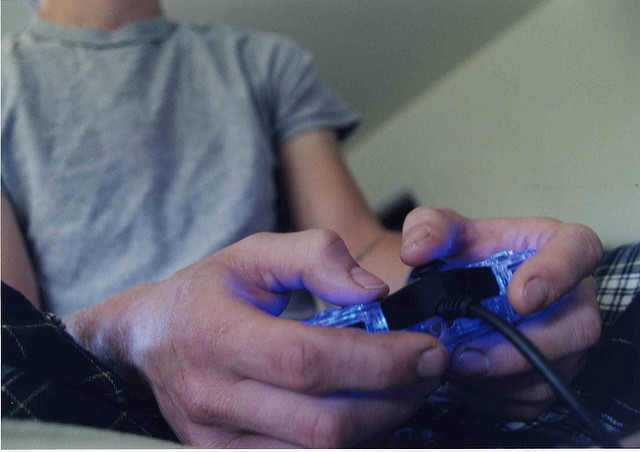
As a parent, you should always have control of the relationship your child has with technology. If you’ve bought them a phone, a tablet, a console or a laptop, it’s only natural that they’re going to want to use it. You want them to be able to communicate with you when they’re out, do their homework and chat with their friends, but you don’t want them to live in a virtual bubble. It’s beneficial to set boundaries. It’s great for kids to be sociable, but social skills are not developed online. Kids also need to get out and about. It’s brilliant for children to play educational games and practice exam questions online, but you don’t want this to replace spending time reading books or writing stories. When your children have been at school all day, and they come home, do their homework on a computer and then start texting or messaging their friends on social media, they’ll have spent hours of the day staring at a screen indoors. It’s not healthy to follow this regime day in, day out.
Set boundaries and limitations for your children, and make them clear. Yes, they can go on the computer, watch TV or video call their friends, but they’re not spending hours cooped up in their room sat in front of a monitor or a phone screen. Moderate the time they spend using technology, and ensure they know what they’re allowed to do.
Encouraging activity and promoting hobbies
One of the main worries parents have about children becoming increasingly reliant on technology is health problems related to a sedentary lifestyle. We often hark back to the days when we used to play outside with our friends or spend the weekends at the park playing games. Today, many children would rather surf the Internet than play football. As a parent, it’s beneficial to encourage exercise and activity and to try and introduce your kids to hobbies that will provide an alternative to sitting indoors watching TV.
Start with simple ways of getting your kids more interested in sport such as making your garden more child-friendly and being more active in day to day life. If your garden is in need of some TLC, spring is an ideal time to get sorted. If you want your kids to be able to play sport without ruining the lawn, consider laying down artificial grass and making a mini tennis or basketball court or a football pitch. You could also make the garden more suitable for young adventurers by putting down some stepping stones, or creating a DIY assault course. If you drive everywhere, you’re not setting the best example. Go for walks with the dog, spend time playing games in the garden or take your bikes out for a long ride at the weekend. Go climbing together, hire some rowing boats and enjoy a day out at the river or organise a weekend away, which will enable you to go fishing, hiking, cycling or canoeing.
It’s always good for children to have a range of interests and hobbies. Away from films, TV programmes, and online gaming, there’s a huge array of activities on offer. Try new things with your kids, find out about local societies and kids’ clubs, and get them involved in activities at school and in the wider community.

Maintaining a healthy relationship with technology
If you have older children, you may be concerned about the relationship your children have with technology. It can often seem like they pay so much attention to what’s going on online that they lose sight of what’s happening in the real world. Try and encourage your child to be as open as possible about what they’re doing on social media. Social media has its benefits, but it can also be very damaging, especially for impressionable children. Often, kids can get upset because of comments they’ve seen on sites like Instagram or Facebook, and they seem to fall out with friends on a regular basis over silly things like liking photos. Be honest with your kids, and let them know that you’re there for them if they are upset. Try and ensure that they understand that social media is not the be all and end all. If you’re worried about bullying, or you think social media is having a negative impact on your child’s wellbeing, speak to them, and don’t be afraid to approach their teachers.

It’s often easy for parents to entertain children with tablets and consoles, but don’t lose touch with more traditional forms of entertainment. Do you really want your kids’ experience of painting a picture to be moving their finger over a screen and choosing a colour from the menu? It’s good to use technology, but take a break from time to time. If your kids enjoy painting, get the paper and brushes out, mix up some colours, and create your own masterpieces around the kitchen table.
If you’re a parent, you may have mixed views when it comes to your children and technology. Technology has so many benefits for kids, but it can also take over their lives. Try and set boundaries, and discourage your children from spending all their time on their phone or the computer. Encourage physical activity, and try and get them interested in other hobbies. Be open with them, and talk to them about what they’re doing online, and make sure they have a grasp of what’s going on in the real world.
