
Why Children’s Bedrooms Outgrow Their Beds So Quickly
A child’s bedroom rarely changes in one neat moment. It happens quietly. A toy box gets fuller. School shoes appear by the door. Clothes stop fitting into one drawer. Then the bed that looked fine last year suddenly feels wrong for the room.
Parents often notice the problem at bedtime. A child cannot settle. The mattress feels tired. The frame blocks a drawer. There is no floor left for play, dressing or the bedtime hunt for one missing teddy. Small room. Big drama.
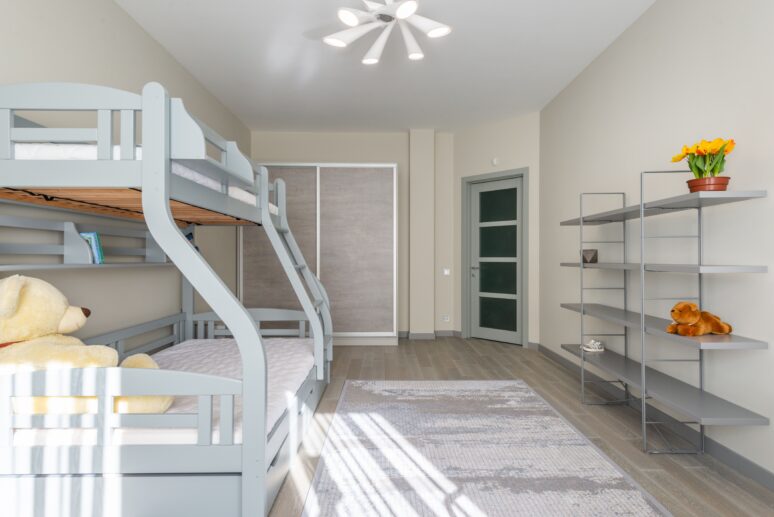
Photo by Max Vakhtbovych: https://www.pexels.com/photo/modern-bedroom-with-bunk-bed-7031873/
When a Child’s Bed Starts Causing Problems
Children do not always say the bed feels wrong. They wriggle. They wake up in odd positions. They complain about being too hot, too squashed or unable to find the “right bit” of the pillow. Sometimes they are stalling. Sometimes the setup is working against them.
Growth changes everything. A bed bought for a smaller child may still look usable, but the child has longer legs, heavier sleep, more books, more clothes and more opinions. Suddenly the frame, mattress and storage all have to work harder.
The room changes too. A toddler room has soft toys and picture books. A school age room has uniforms, sports kit, craft bits, chargers, bags, birthday presents and random stones collected from somewhere important. Nobody knows where. They just matter.
That is why replacing a bed is not only a furniture decision. It affects the walk around the room, the storage, the bedtime routine and how calmly everyone gets through the evening.
Where Space Starts to Matter
In smaller family bedrooms, the bed usually takes the blame first. Fair enough. It is the biggest thing in the room. But the frame shape matters as much as the mattress size. A chunky base eats the floor. A tall headboard makes the wall feel busier. Drawers sound useful until they hit the wardrobe every time they open.
When a child’s room already feels tight, the right frame from a bed shop near me matters for more than style. Parents can check base height, mattress depth, storage access and walking space in person. A bed might look modest online, then feel huge once it has to sit beside a wardrobe, toy basket, radiator and the chair that somehow holds clean laundry for three days.
A mattress stores near me listing may explain firmness levels, but the bedroom still needs its own check. Is there space to sit beside the child at bedtime? Does the frame block a plug socket? Will the child climb in easily without using the bedside table as a step? Useful questions. Slightly boring. Usually the ones that save trouble.
Bed stores near me often show frames in tidy display spaces. Real children’s rooms are less polite. There are bags on the floor, half built Lego projects, library books and one blanket that must stay within reach or nobody sleeps. The right bed needs to fit that version of the room.
What Parents Should Check Before Choosing a Mattress
A mattress does not need to be fancy to work well. It needs to support children’s sleep without feeling hard, hot or awkward. Too soft, and the body sinks into it. Too firm, and the child keeps shifting around because nothing feels settled.
Firmness words vary from one brand to another. Medium on one label may feel different from medium somewhere else. That is why testing helps. Sit on it. Lie on it. Let the child move a little. A child who instantly curls up and relaxes tells you something. A child who keeps sliding, bouncing or looking unsure tells you something too.
Depth also matters. A deep mattress on a tall frame may lift the whole bed higher than expected. That matters for younger children, especially if they still climb in half asleep or roll around a lot at night.
Cleaning deserves a place in the decision. Children spill water. Accidents happen. Sticky fingers appear in places nobody understands. A breathable washable protector sounds dull, but it protects the mattress from real family life. Worth it.
Why Storage Beds Tempt Growing Families
Storage beds make sense when the room has run out of hiding places. Spare bedding, out of season clothes, soft toys and school projects all need somewhere to go. The floor cannot take everything. It will try, but everyone trips.
Drawers work well for items children use often, as long as there is enough side space. That last part matters. A drawer that opens halfway into a wall is not storage. It is a daily irritation with a handle.
Ottoman storage suits things used less often. Winter duvets. Extra sheets. The box of costumes that appears only for school events and sudden living room performances. The lift mechanism needs to feel sturdy and easy for an adult to manage. Younger children should not treat it as a toy. They will, if given the chance.
The trick is matching storage to the room, not buying the bed with the most hidden space. Some rooms need drawers. Some need a lower frame. Some need less furniture, full stop. No shame in that.
When Extendable Frames Make Sense
Extendable beds sound clever because children grow fast. Growth spurts can make a setup that worked last year feel too small sooner than parents expected. For some families, they work well when the mechanism feels solid and the room shape allows it.
The catch is comfort and fit. The mattress setup needs to suit the frame properly. Gaps, joins or awkward extensions soon become annoying. Children notice strange edges. Parents notice them too, usually while changing sheets in a hurry.
Weight limits also matter as children get older. A frame that suits a young child may not feel right for a growing preteen. Check the build, the slats, the joins and how often the bed will need adjusting.
For some homes, a simple single bed is the calmer choice. It lasts, fits standard mattresses and keeps bedding easier. Not clever. Just useful.
Safety Checks Without Overthinking Everything
Parents already have enough to think about, so bedroom safety needs to stay practical. Check the obvious things first. Is the bed stable? Are sharp corners in the wrong place? Are cords, sockets and heavy objects within easy reach?
A bed near a radiator may make the child too warm. A bed under a window may turn into a climbing invitation. A storage drawer may trap fingers if it closes too fast. None of this means panic. It means look at the room from the child’s height before deciding where the bed goes.
Labels and paperwork matter too. Ask what the label means, what warranty comes with the frame and what the retailer can confirm before you buy. Keep the receipt somewhere safer than “that kitchen drawer”. You know the one.
A showroom visit helps here because parents can touch the frame, test the mechanism and see whether the bed feels solid. Online photos cannot show how a drawer moves or how high the mattress sits once everything is together.
The Value Question Parents Actually Ask
Most families are not trying to buy the perfect bed. They are trying to avoid buying the wrong one twice. That is the real value question.
A cheaper frame may solve the problem for now. Fine, if that is the plan. But if it starts wobbling, squeaking or blocking the room within a year, the saving feels less impressive. A sturdier mid range option may cost more at first, but it can make daily life easier.
The same goes for mattresses. A child does not need the most expensive one in the shop. They need one that suits their size, sleep style and room. If the mattress is comfortable, breathable and easy to protect, that is already a good start.
Delivery and removal matter too. Parents rarely want an old mattress sitting in the hallway for a week. Ask about timelines before buying. Boring admin. Lovely when it works.
A child’s bedroom does not need to look styled. It needs to survive bedtime, school mornings, missing socks and the random treasures children insist on keeping.
Choosing a new bed is less about making the room look grown up and more about making it work for the child using it every day. The right frame, mattress and storage setup can make the room calmer without turning it into a showroom. Children keep growing. The room just needs a better chance of keeping up.
